Introduction
Planning a wedding isn't difficult because any one decision is complicated.
It's difficult because there are hundreds of small decisions, all happening at different times.
Book your venue too late, and your preferred suppliers may already be unavailable. Leave your timeline until the final month, and the wedding day can feel rushed. Forget a simple detail, and it becomes last-minute stress.
This guide explains the key stages of planning a wedding, what to focus on at each stage, and the mistakes that are easiest to avoid.
If you'd like a printable version with timelines, checklists and planning pages, you can download our free Wedding Planning Checklist at the end of this article.
Start With Priorities, Not Suppliers
One of the biggest mistakes couples make is booking suppliers before they've decided what matters most.
Before contacting venues or photographers, answer four questions:
- What kind of wedding do we want?
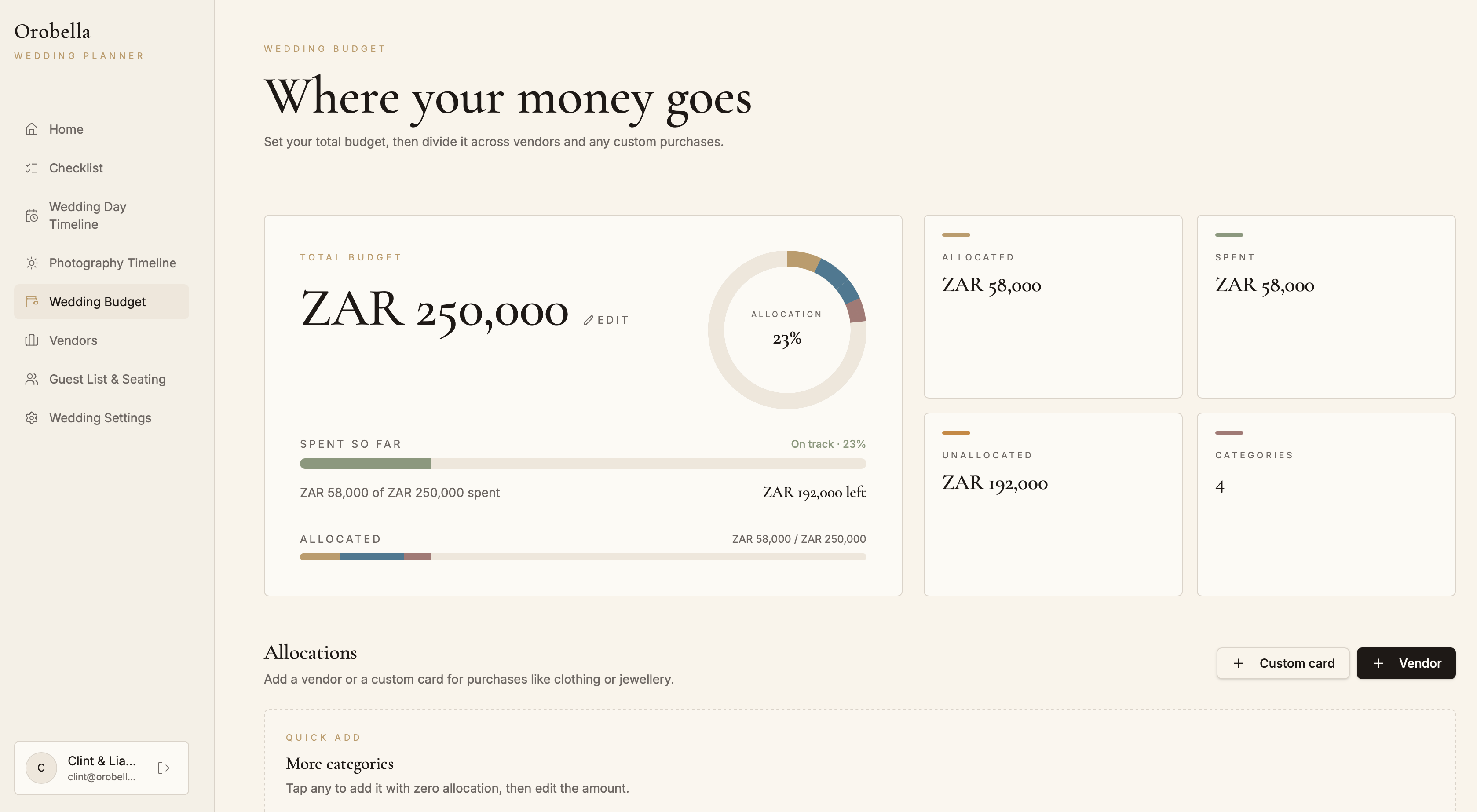
- What's our realistic budget?
- Approximately how many guests will we invite?
- Which parts of the day matter most to us?
These decisions become the foundation for everything that follows.
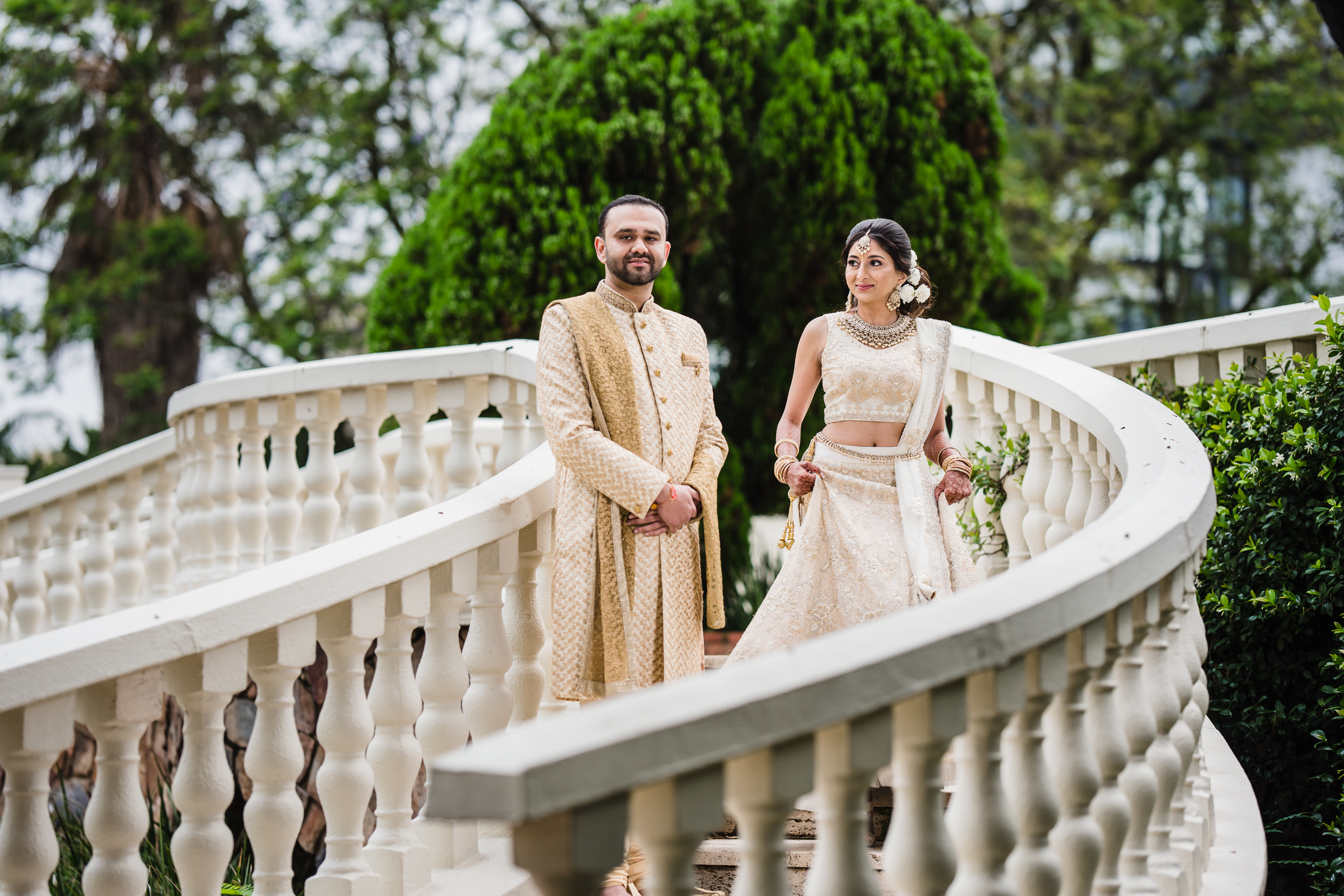
Your Venue Shapes Almost Every Other Decision
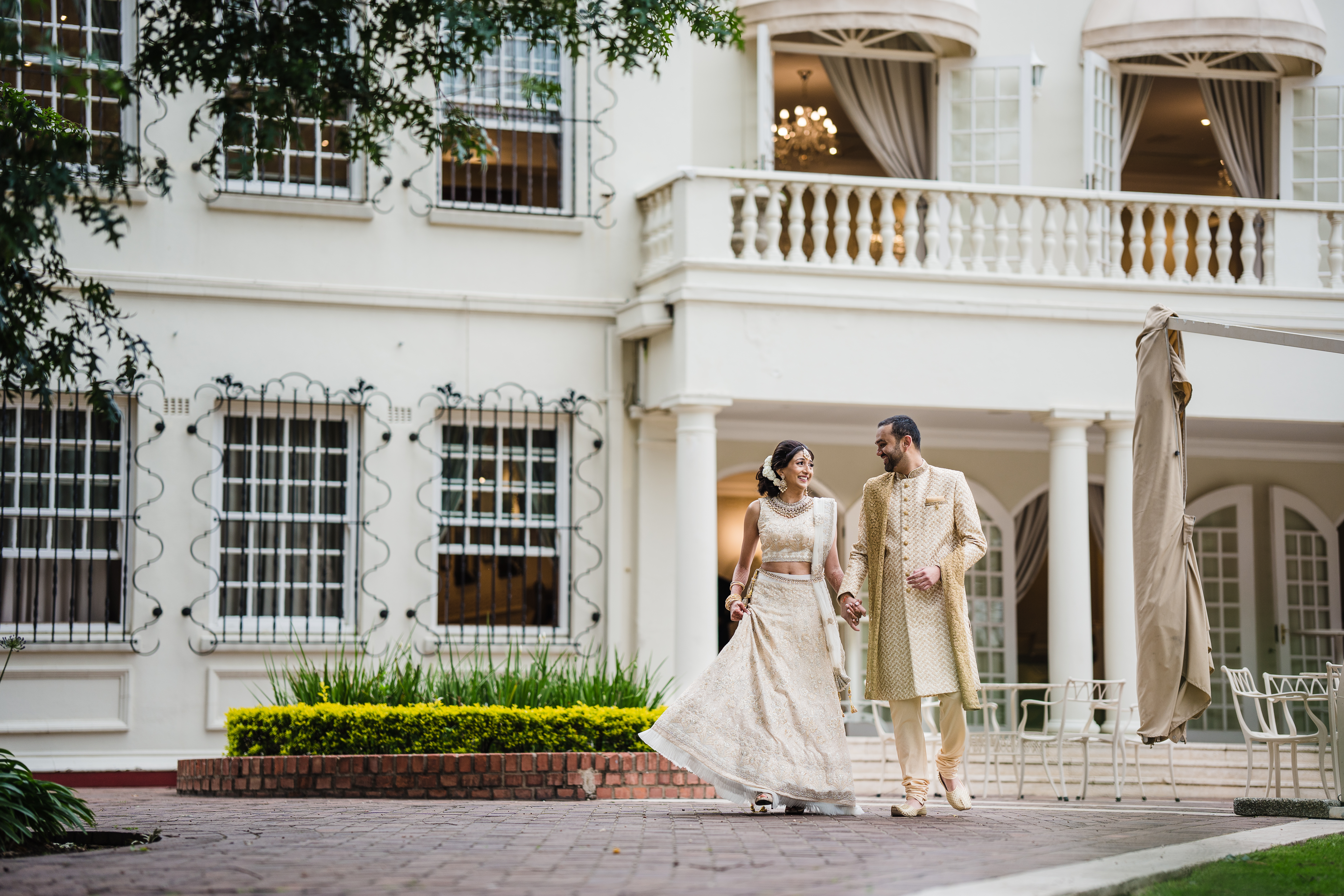
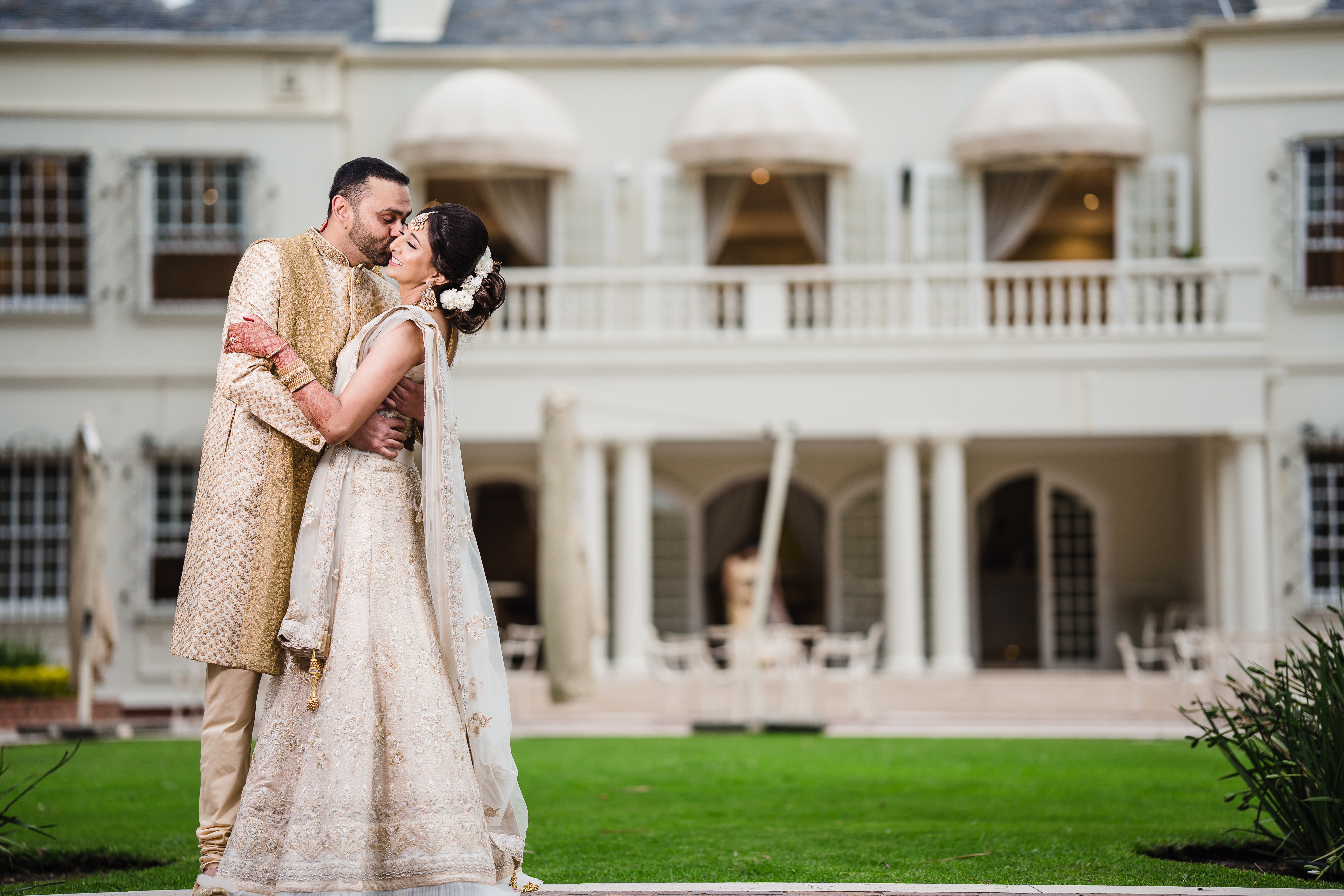
Your venue influences far more than where you'll get married.
It affects your budget, guest numbers, ceremony time, lighting for photographs, travel logistics, accommodation and even which suppliers are available.
That's why your venue is usually the first major booking.
Book Key Suppliers Early
Some suppliers only accept a limited number of weddings each year.
Photography, videography, planners and popular venues often book 12–18 months in advance.
Rather than trying to book everything at once, focus on the suppliers that have the biggest impact on your day and are most difficult to replace.
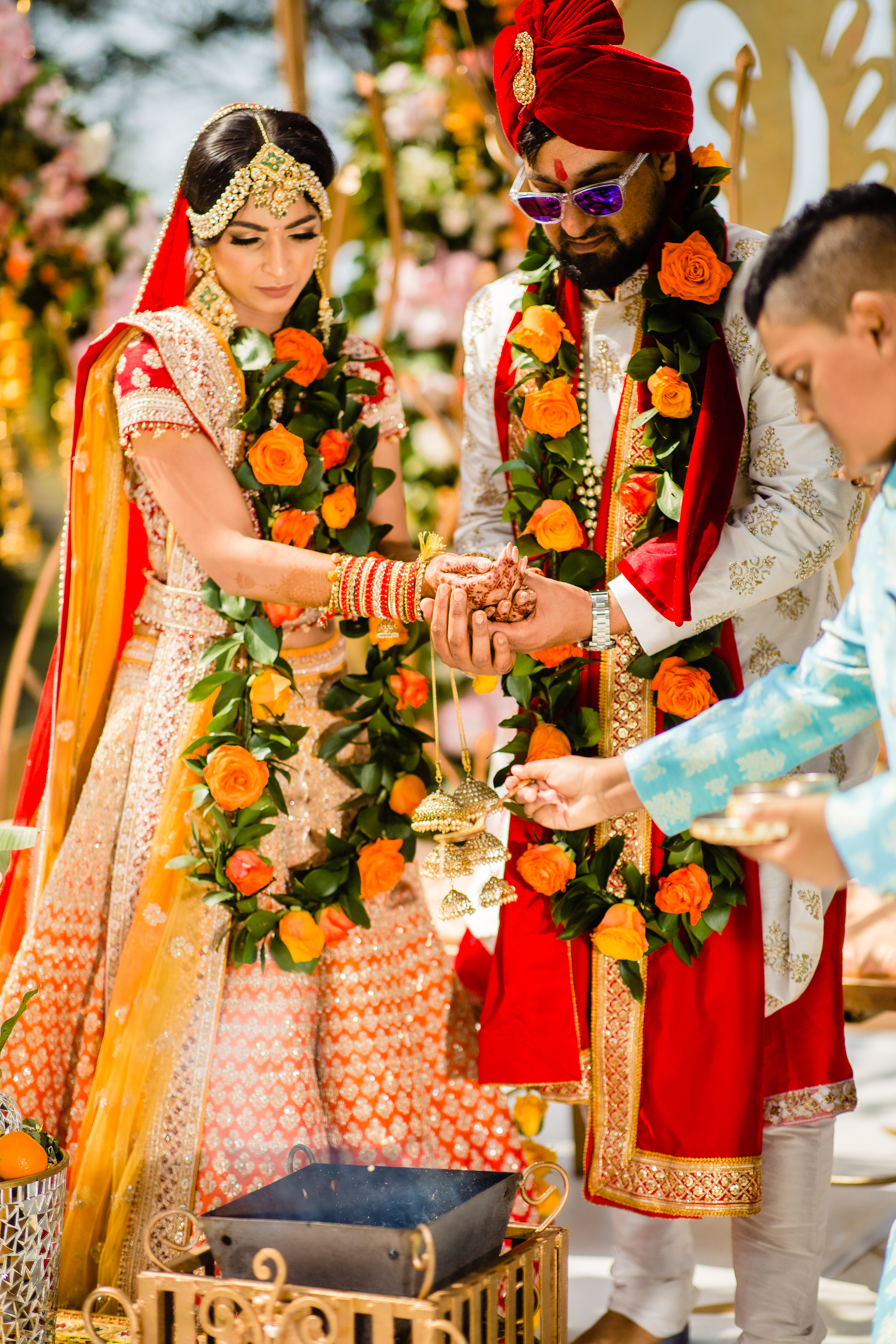


Build a Timeline That Supports the Experience
A good wedding timeline isn't about squeezing more into the day.
It's about creating enough space for the moments that matter.
Rushed schedules create rushed weddings.
A well-planned timeline allows you to spend time with your guests, enjoy your portraits without feeling hurried and experience the day as it unfolds.

Your Budget Is About Priorities, Not Perfection
Every wedding has a budget.
Rather than trying to maximise everything, decide where you'll receive the most value.
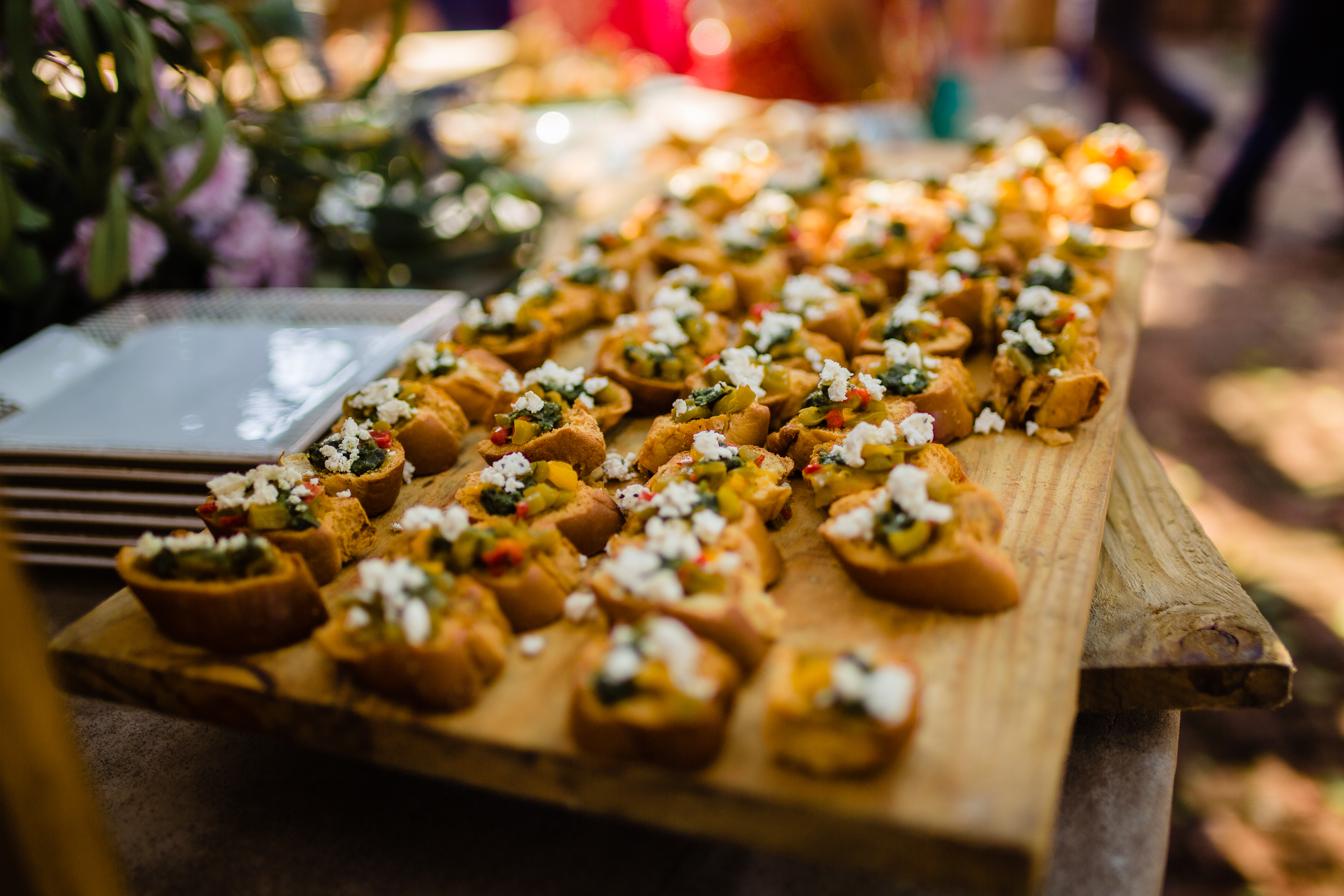
Some couples prioritise food.
Others prioritise photography.
Others choose live entertainment or a premium venue.
There isn't a right answer.
The goal is to spend intentionally.
Remember That Your Wedding Is for People
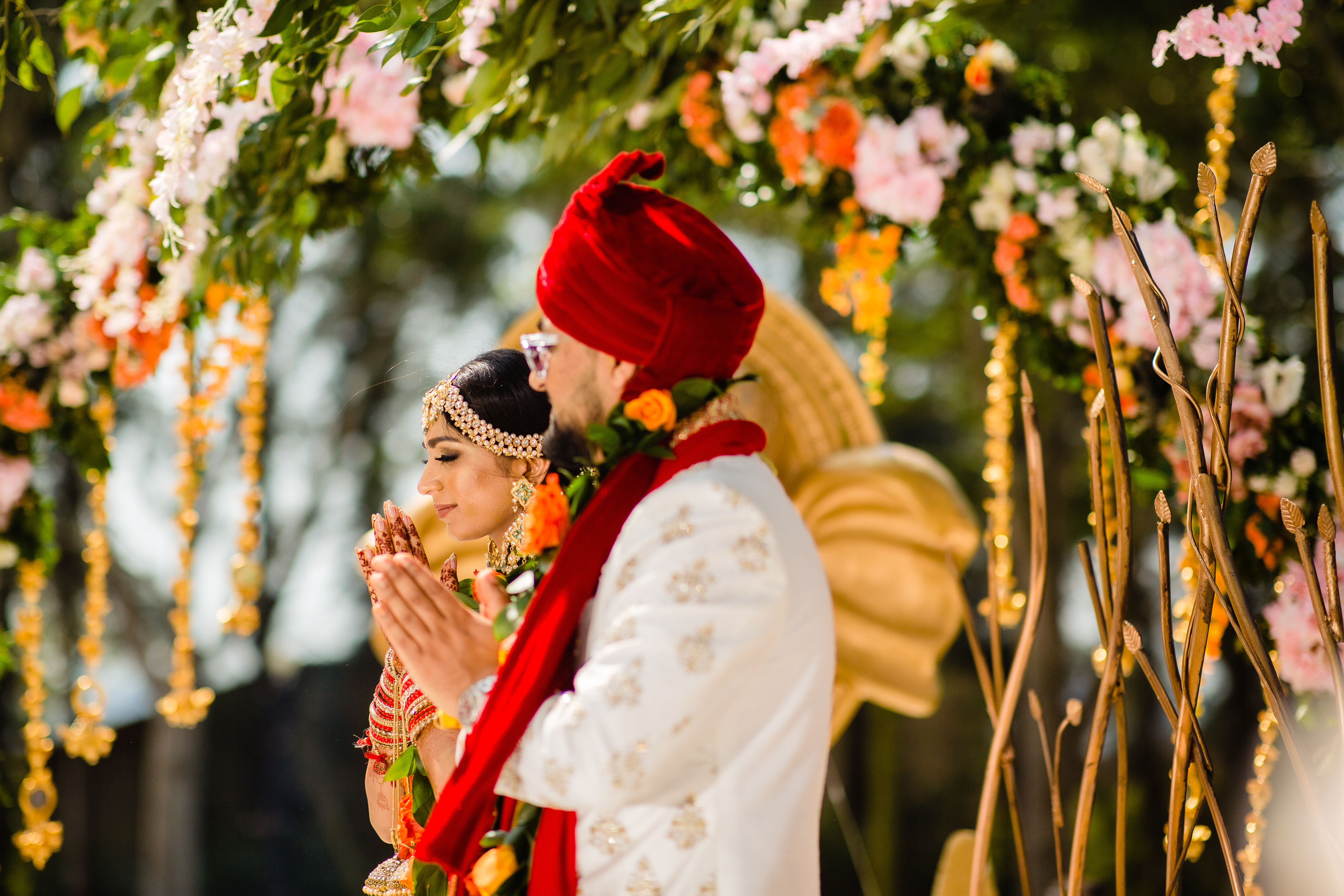
It's easy to become focused on décor, stationery and styling.
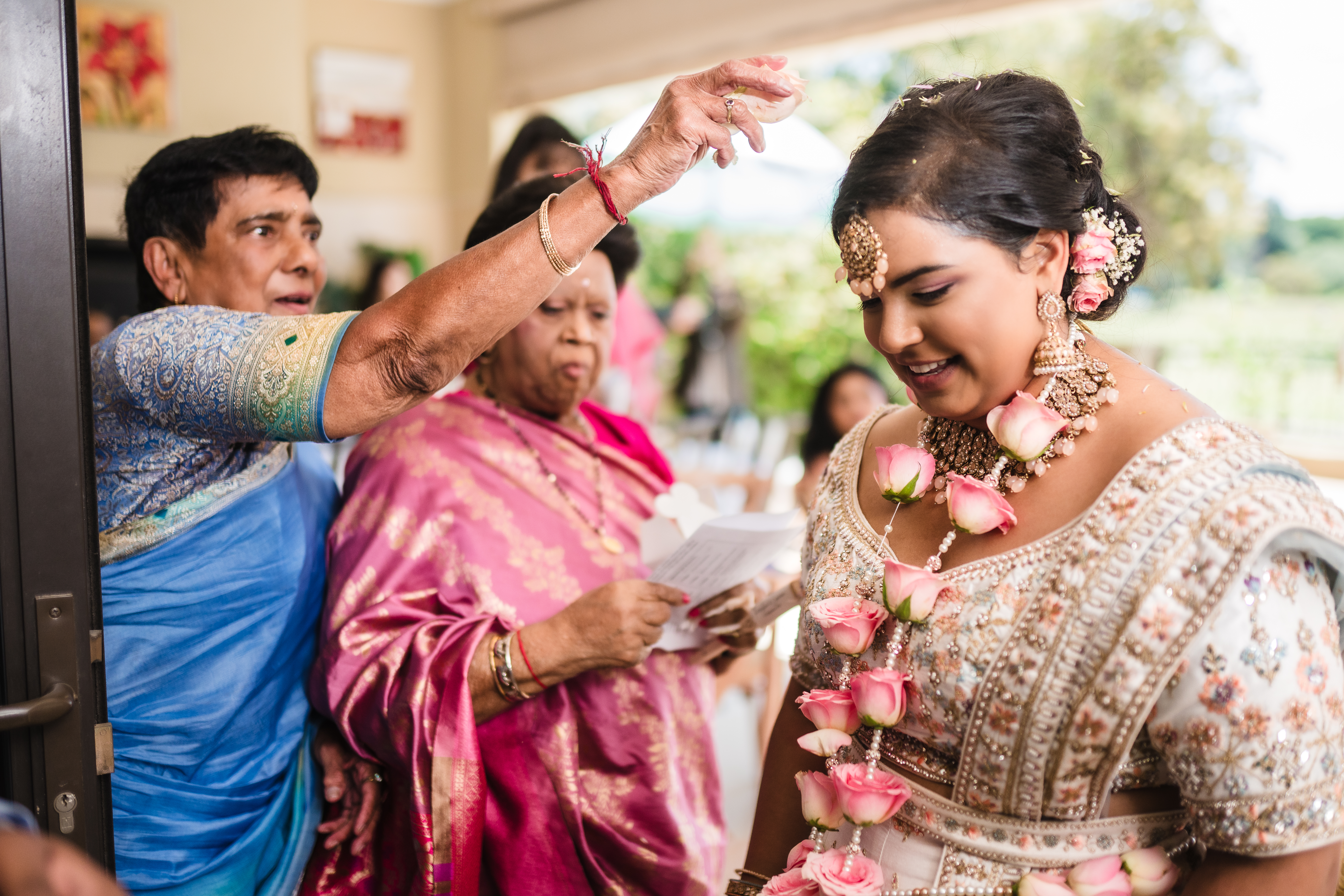
Years later, what most couples remember are conversations, hugs, laughter and the people who shared the day with them.
Beautiful details matter, but relationships matter more.
Don't Leave the Timeline Until the Last Month
The wedding timeline connects every supplier.
Your ceremony, portraits, speeches, sunset, reception and entertainment all depend on it.
Creating it early gives everyone time to identify potential problems before they become stressful.
Planning Should Reduce Stress, Not Create It
The purpose of planning isn't to create the perfect wedding.
It's to remove unnecessary decisions before the day arrives.
The more that's organised in advance, the more present you'll be when it matters most.
This guide explains the planning process.
Our free Wedding Planning Checklist helps you put it into practice.
Inside you'll find:
- Month-by-month planning timeline
- Printable checklists
- Budget planner
- Supplier tracker
- Guest list planner
- Wedding day packing lists
- Emergency kit checklist